How a Cleaner Home Quietly Changed My Health for Good
I never thought my stuffy nose and low energy were tied to the air I breathed at home—until I made one small shift. After years of feeling “off,” I dug into how everyday toxins hide in dust, cleaners, and furniture. What I discovered shocked me: subtle environmental tweaks can support early disease prevention in powerful ways. This isn’t about extreme overhauls—it’s real, simple changes that quietly boost wellness from the ground up. Over time, I learned that health isn’t just shaped by diet and exercise, but by the quality of the air we breathe, the surfaces we touch, and the materials that surround us daily. This journey wasn’t about chasing perfection; it was about listening to my body and making informed choices that added up to lasting change.
The Wake-Up Call: When “Normal” Symptoms Stopped Feeling Normal
For nearly a decade, I chalked up my persistent fatigue, frequent headaches, and seasonal allergies to the inevitable toll of aging and a busy life. I’d wake up with a dry throat, struggle to focus by mid-afternoon, and rely on antihistamines from spring through fall. My doctor ran standard tests—everything came back “within normal range,” so I assumed I just needed to push through. But during a weekend trip to a remote cabin in the woods, something unexpected happened: I woke up feeling refreshed. My sinuses were clear, my head was light, and I had energy that lasted all day. The cabin was simple—wood floors, open windows, no air fresheners, no synthetic cleaners. There was no central heating, just fresh mountain air circulating naturally. That weekend planted a seed: maybe my symptoms weren’t normal at all.
Returning home, I began paying closer attention. Within 24 hours, my familiar fatigue crept back. My eyes watered, and I reached for the nasal spray again. That contrast was too stark to ignore. I started researching indoor environmental health and was stunned to learn how much we underestimate the impact of our home environments on physical well-being. The U.S. Environmental Protection Agency has long noted that indoor air pollution can be two to five times higher than outdoor levels. For someone spending 90% of their time indoors, that’s a significant exposure. What I once dismissed as routine discomfort began to look more like a chronic, low-level response to invisible stressors in my living space.
This realization marked the beginning of a deeper investigation. I wasn’t sick in the clinical sense, but my body was clearly reacting to something. I started tracking my symptoms in a journal, noting when they flared and what I had been exposed to. Patterns emerged: headaches after using certain cleaning sprays, congestion after vacuuming, brain fog on days when I used scented laundry products. These weren’t isolated incidents—they were consistent signals. I began to understand that health isn’t just the absence of disease, but the presence of balance. And if my environment was quietly disrupting that balance, then changing it could be one of the most powerful forms of prevention available.
What We Breathe: Understanding the Invisible Load in Our Homes
Most people don’t realize that the air inside their homes can carry a complex mix of pollutants, many of which are invisible and odorless. Volatile organic compounds (VOCs) are among the most common. These chemicals are released from everyday items like paint, varnishes, cleaning supplies, and even new furniture. Formaldehyde, a known carcinogen, is frequently found in pressed wood products such as cabinets and shelving. When these materials off-gas, they release molecules into the air that we inhale with every breath. The effect isn’t immediate like smoke or smog, but over time, this constant exposure places a strain on the respiratory and immune systems.
Other major contributors include mold spores and dust mites. Damp areas like bathrooms, basements, and under sinks can harbor mold, even if it’s not visible. Dust mites thrive in warm, humid environments and feed on dead skin cells found in bedding, carpets, and upholstered furniture. Their waste particles become airborne and can trigger allergic reactions and asthma symptoms. Synthetic fragrances, often found in air fresheners, laundry detergents, and candles, add another layer. These are not just irritants; some contain phthalates, which have been linked to hormonal disruptions and inflammation. The cumulative effect of these pollutants is what researchers call “biological burden”—the total load of toxins the body must process over time.
What makes this particularly concerning is how these exposures contribute to chronic, low-grade inflammation. Inflammation is a natural defense mechanism, but when it becomes persistent, it’s associated with a higher risk of developing conditions like heart disease, diabetes, and autoimmune disorders. Studies have shown that prolonged exposure to indoor pollutants can elevate levels of inflammatory markers such as C-reactive protein (CRP) and interleukin-6 (IL-6). These changes may not show up on a routine physical, but they represent early shifts in the body’s internal environment. By reducing exposure to indoor toxins, we can help lower this inflammatory burden and support the body’s natural ability to maintain balance.
The Body’s Early Whispers: Recognizing Subtle Signs of Environmental Stress
One of the most important lessons I learned was how to listen to my body’s quiet signals. Many of the symptoms linked to poor indoor air quality are easy to dismiss: occasional headaches, trouble concentrating, restless sleep, or skin that feels dry and irritated. We often attribute these to stress, lack of sleep, or aging. But when these issues persist without a clear medical explanation, they may be the body’s way of responding to environmental stress. Brain fog, for instance, isn’t just a buzzword—it can be a sign of neuroinflammation triggered by airborne irritants. Similarly, waking up with a stuffy nose or itchy eyes could indicate an ongoing allergic response to dust mites or mold.
Another overlooked sign is disrupted sleep. The quality of the air in the bedroom plays a crucial role in sleep hygiene. Pollutants like VOCs and particulate matter can irritate the airways, leading to shallow breathing or frequent awakenings. Synthetic fabrics in bedding or mattresses treated with flame retardants may also contribute to discomfort. Over time, poor sleep quality affects hormone regulation, immune function, and cognitive performance. Yet, because the changes are gradual, they often go unnoticed until a more serious issue arises. The key is recognizing that wellness isn’t just about avoiding illness, but about optimizing daily function.
These early signs matter because they often precede clinical diagnoses by years. Research in preventive medicine emphasizes the importance of identifying risk factors before disease develops. For example, reduced lung function due to long-term exposure to indoor allergens can increase the likelihood of chronic respiratory conditions later in life. By paying attention to subtle symptoms, we gain a window of opportunity to make changes that support long-term health. It’s not about fear or alarm, but about awareness and empowerment. When we treat our homes as part of our health ecosystem, we take a proactive step toward resilience.
Cleaning Up the Air: Simple Swaps That Actually Work
Improving indoor air quality doesn’t require a complete lifestyle overhaul. Some of the most effective changes are surprisingly simple. One of the first steps I took was eliminating aerosol sprays and scented plug-ins. These products often contain synthetic fragrances and propellants that release harmful particles into the air. Instead, I switched to fragrance-free cleaning products made with plant-based ingredients. Essential oils like lavender or eucalyptus can be used sparingly for scent, but only when properly diluted and in well-ventilated spaces, as even natural oils can be irritating in high concentrations.
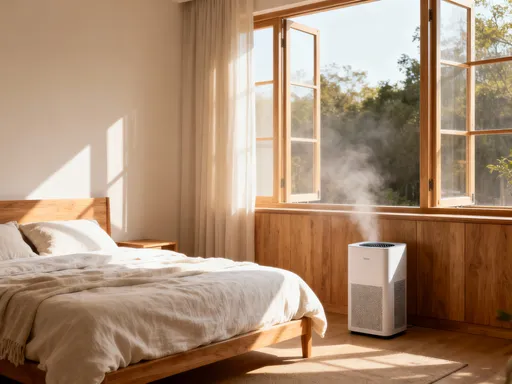
Another game-changer was introducing a HEPA air purifier in the bedroom. High-Efficiency Particulate Air filters are designed to capture 99.97% of particles as small as 0.3 microns, including dust, pollen, mold spores, and pet dander. Running one at night made a noticeable difference in how I felt upon waking. I also placed a second unit in my home office, where I spend several hours each day. These devices operate quietly and require minimal maintenance, making them a practical addition to any home. Alongside air purification, I made a habit of opening windows daily, even in colder months, to allow for cross-ventilation and reduce the buildup of indoor pollutants.
I also reevaluated the materials I brought into my home. Plastic wrap, for instance, was replaced with beeswax food wraps, which are reusable and free of phthalates. I switched from microfiber towels to cotton ones, as microfiber sheds tiny plastic fibers that become airborne during use and laundering. These fibers have been found in household dust and can be inhaled. Natural materials like cotton, wool, and wood not only reduce exposure to synthetic chemicals but also tend to be more breathable and less likely to trap allergens. Each of these changes was small on its own, but together, they created a cleaner, more supportive environment.
Revamping the Cleaning Routine: Less Toxic, More Effective
Conventional cleaning products are often loaded with chemicals like ammonia, chlorine, and quaternary ammonium compounds, which can irritate the lungs and skin. I decided to simplify my routine by making my own cleaners using basic, non-toxic ingredients. A mixture of white vinegar and water works well for glass and hard surfaces. Baking soda is excellent for scrubbing sinks and tubs, while castile soap, made from plant oils, can be diluted for mopping floors or washing countertops. These alternatives are effective, affordable, and free of synthetic fragrances and harsh fumes.
I also paid attention to the tools I used. Microfiber cloths are often marketed as superior for trapping dust, but they can retain chemical residues and release microplastics. I now use cotton cloths and wash them frequently in hot water. For dusting, I prefer a damp cotton rag, which captures particles instead of sending them airborne. When it comes to vacuuming, I upgraded to a model with a HEPA filter to ensure allergens are trapped, not recirculated. I also began cleaning more mindfully—focusing on high-traffic areas, but also scheduling monthly deep cleans for often-overlooked spots like ceiling fans, window sills, and under furniture.
One of the most impactful changes was improving mattress and bedding hygiene. I invested in allergen-proof covers for my pillows and mattress, and I wash all bedding weekly in hot water to kill dust mites. Curtains and rugs also get regular attention, as they accumulate dust over time. I avoid disposable wipes, which often contain alcohol, fragrances, and preservatives that can linger on surfaces. Instead, I use reusable cloths and proper technique—wiping from clean to dirty areas and changing cloths frequently. This approach isn’t just about cleanliness; it’s about creating a space that supports health rather than undermines it.
Rethinking Materials: How Furniture and Flooring Impact Health
One of the most surprising discoveries was how much our furniture and flooring contribute to indoor pollution. Many mass-produced items are made with engineered wood, which uses adhesives containing formaldehyde. Upholstered furniture often includes flame retardants, which can leach into dust and be inhaled or ingested. Synthetic carpets are another major source of VOCs, especially when new. These materials may be affordable and convenient, but they come with a hidden cost to long-term health.
I began making more intentional choices when replacing old items. For furniture, I opted for solid wood pieces finished with natural oils or low-VOC sealants. When buying a new sofa, I looked for options made with natural latex and organic cotton, avoiding polyurethane foam and chemical treatments. For flooring, I replaced wall-to-wall carpet with hardwood and used wool rugs instead of synthetic ones. Wool is naturally flame-resistant, moisture-wicking, and less likely to harbor dust mites. These materials not only reduce chemical exposure but also improve indoor air quality by allowing the home to “breathe.”
I also adopted a rule for new purchases: ventilate before use. Whether it’s a new mattress, a bookshelf, or a storage bin, I leave it in a garage or covered porch for several days to allow off-gassing to occur outside. This simple step can significantly reduce the initial release of VOCs into the home. While it’s not always possible to replace everything at once, each change adds up. Over time, my home became a space that felt lighter, cleaner, and more aligned with my health goals. The shift wasn’t about aesthetics alone—it was about creating an environment where my body could thrive.
Long-Term Gains: What Changed After Six Months
After six months of consistent changes, the difference in how I felt was undeniable. My seasonal allergies, which once lasted for months, were milder and shorter in duration. I no longer woke up with a dry throat or sinus pressure. My energy levels stabilized, and I found myself less reliant on caffeine to get through the day. Sleep improved significantly—I fell asleep faster and stayed asleep longer. Even my skin appeared clearer, with less redness and irritation. These weren’t dramatic transformations, but they represented a new baseline of well-being.
During my annual physical, I shared my observations with my doctor. She ordered blood work to check inflammatory markers, and the results confirmed what I had been feeling. My C-reactive protein level had decreased by nearly 30%, falling into a lower-risk range. While she emphasized that many factors influence these numbers, she acknowledged that reducing environmental exposures could have played a role. She also reminded me that these changes don’t replace medical care, but they can complement it. I appreciated her balanced perspective—this wasn’t about rejecting medicine, but about supporting the body’s natural defenses.
What surprised me most was how sustainable these changes became. They didn’t feel like restrictions, but like choices that aligned with my values. I wasn’t aiming for perfection; I was building a lifestyle that honored my health. I still use conventional products when necessary, but now I make informed decisions. I read labels, ventilate spaces, and prioritize natural materials. These habits have become second nature. Most importantly, I feel more in control of my well-being. I’ve learned that health isn’t just something that happens to us—it’s something we can nurture through the environments we create.
Conclusion: Small Shifts, Big Implications
Improving your home environment isn’t about achieving a spotless, sterile space. It’s about making mindful, consistent choices that reduce exposure to harmful substances and support the body’s natural ability to heal and regulate. The changes I made were not extreme or expensive, but they had a profound impact. By paying attention to the air I breathe, the products I use, and the materials around me, I created a foundation for long-term wellness. This journey taught me that prevention doesn’t always come in the form of medication or medical tests—sometimes, it starts with opening a window or switching cleaning products.
Environmental wellness is a form of self-care that often goes unnoticed. Yet, it shapes our health in quiet, powerful ways. The body is constantly communicating with us, sending subtle signals that something may be off. When we respond with awareness and action, we honor that communication. These small shifts don’t guarantee immunity from disease, but they do build resilience. They help the body maintain balance, reduce inflammation, and function at its best. And in a world where so much feels beyond our control, that sense of agency is invaluable.
Ultimately, health begins at home—not just in what we eat or how we move, but in the quality of our surroundings. By investing in a cleaner, safer living space, we invest in a future where wellness is not reactive, but proactive. These changes are not about fear or perfection. They are about care, intention, and the quiet belief that small steps today can lead to a healthier tomorrow. The air we breathe, the surfaces we touch, the materials we live with—they all matter. And when we choose to improve them, we make one of the most powerful commitments we can to our long-term well-being.