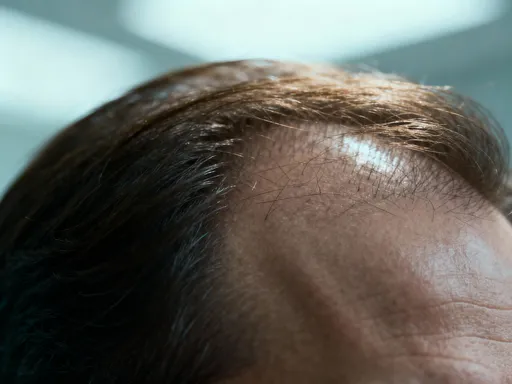
Why My Hair Started Fighting Back: A Science-Backed Journey to Managing Hair Health
Hair loss isn’t just about looks—it can shake your confidence and daily life. I used to avoid mirrors, then learned it’s often a symptom, not just a cosmetic issue. Through science-backed methods and real changes, I found ways to manage it effectively. This is not a cure, but a practical, realistic path grounded in biology and consistency. Let’s break down what actually works.
The Moment It Hit Me: When Hair Shedding Became Personal
It started with a brush. Not dramatically, not overnight, but with an accumulation—more strands than usual caught in the bristles each morning. At first, I told myself it was seasonal, maybe stress from a busy month, or a side effect of changing shampoos. But over time, the part in my hair widened. My ponytail felt thinner. I began avoiding photos, then mirrors. The emotional weight surprised me. I hadn’t realized how much my self-image was tied to the simple act of running my fingers through thick, healthy hair.
What I didn’t know then was that my hair wasn’t just reacting to surface-level changes—it was signaling something deeper. Hair is one of the body’s most responsive tissues, and when internal balance shifts, it often shows up here first. For many women, especially between the ages of 30 and 55, hair thinning is not a sudden betrayal but a gradual conversation the body has been trying to have. Conditions like telogen effluvium—where more hairs than normal enter the resting phase and shed—can follow childbirth, illness, or intense stress. Androgenetic alopecia, sometimes called female pattern hair loss, progresses slowly, often unnoticed until the change becomes difficult to ignore.
Recognizing this moment as more than vanity was a turning point. It wasn’t about chasing youth or beauty standards—it was about listening. Hair changes are not cosmetic failures; they are biological feedback. When we treat them as such, we shift from reacting with panic to responding with purpose. Early awareness allows us to engage with the root causes, not just cover up the symptoms. That shift—from shame to curiosity, from hiding to investigating—was the first real step toward regaining control.
What Science Says: How Hair Actually Works (and Why It Fails)
To understand why hair changes, we first need to understand how it grows. Each strand emerges from a living follicle, a tiny organ embedded in the scalp that operates on a continuous cycle. This cycle has three main phases: anagen, the active growth phase that can last two to six years; catagen, a short transitional stage where growth stops and the follicle shrinks; and telogen, the resting phase, lasting about three months, after which the hair sheds and the cycle begins anew. At any given time, about 85–90% of our hair is in the anagen phase, while the rest is resting or preparing to shed.
When this cycle is disrupted, hair loss becomes noticeable. The balance tips—fewer follicles enter growth, more enter shedding. This imbalance can stem from multiple factors, many of which are invisible from the outside. Hormonal fluctuations, particularly those involving androgens like dihydrotestosterone (DHT), can shorten the anagen phase and lead to follicle miniaturization, where each new hair that grows is finer and shorter than the last. This process is gradual but relentless, often leading to diffuse thinning across the crown.
Inflammation is another silent disruptor. Chronic, low-grade inflammation—sometimes linked to autoimmune tendencies or long-term stress—can create an unfriendly environment for follicles. When the scalp’s immune system mistakenly targets growing hair, conditions like alopecia areata may develop. Even without autoimmune involvement, inflammation can impair nutrient delivery and oxygen flow to follicles, weakening their ability to sustain healthy growth.
Nutrient deficiencies play a major role as well. Iron, zinc, vitamin D, and B vitamins—especially biotin—are essential for keratin production and follicle function. When levels drop, even slightly, the body prioritizes vital organs over hair, leading to shedding. Stress, both physical and emotional, amplifies this effect by increasing cortisol, a hormone that can push more follicles into the telogen phase prematurely. The science is clear: hair is not dead tissue the moment it emerges from the scalp. It is a dynamic biomarker, reflecting the state of our internal environment. When it changes, it’s not failing us—it’s informing us.
Spotting the Real Culprits: Beyond Bad Genes and Bad Days
For years, I blamed genetics. My mother had thinning hair in her 40s, so I assumed it was inevitable. But science tells us that while genetics can predispose us to certain patterns, they don’t act alone. Triggers matter. And many of the most common triggers are modifiable. The real culprits behind hair loss are often hidden in plain sight: chronic stress, thyroid imbalances, iron deficiency, hormonal shifts after pregnancy or perimenopause, and even recovery from illness.
I learned this the hard way. After months of trying different shampoos and serums with no improvement, I decided to see a dermatologist. What followed was a series of blood tests that revealed several imbalances: low ferritin (a marker of iron storage), suboptimal vitamin D, and elevated thyroid antibodies—signs of an autoimmune thyroid condition that I hadn’t known I had. These weren’t dramatic deficiencies, but they were enough to disrupt the delicate balance needed for healthy hair growth.
This experience taught me a crucial lesson: temporary shedding and progressive thinning are different. Telogen effluvium, for example, is often triggered by a specific event—surgery, a high fever, a major life change—and resolves within six to nine months once the trigger is removed. But if the underlying issue isn’t addressed, it can become chronic. Androgenetic alopecia, on the other hand, is progressive and requires long-term management. Without proper diagnosis, it’s easy to mislabel one for the other and waste time on solutions that don’t match the cause.
Self-diagnosis is risky. Online forums are full of well-meaning advice, but they can’t replace a clinical evaluation. Blood work, scalp analysis, and a detailed medical history are essential tools. A doctor can differentiate between hormonal imbalances, nutrient deficiencies, autoimmune conditions, and other potential causes. Jumping to conclusions based on symptoms alone can lead to unnecessary anxiety or misguided interventions. The first step toward effective management isn’t a new product—it’s a professional conversation.
My Daily Reset: The 3-Step Routine That Made a Difference
Once I had a clearer picture of what was happening inside my body, I shifted from searching for quick fixes to building sustainable habits. I developed a simple, three-step routine grounded in science and designed for real life. It wasn’t about doing more—it was about doing the right things consistently.
The first step was gentle cleansing. I switched to a sulfate-free shampoo that wouldn’t strip my scalp of its natural oils. The scalp has a microbiome—just like the gut—and harsh cleansers can disrupt the balance of beneficial bacteria, leading to irritation and inflammation. By using a mild formula, I supported a healthier scalp environment where follicles could thrive. I also avoided over-washing, which can stimulate excess oil production and create a cycle of dependency.
The second step was stimulation. Every evening, I spent three minutes massaging my scalp with my fingertips. This wasn’t a luxury—it was a functional practice. Studies show that regular scalp massage increases blood circulation, delivering more oxygen and nutrients to follicles. It may also help reduce stress, which further supports hair health. I didn’t need special tools or oils—just consistent pressure in circular motions across the scalp. Over time, I noticed my scalp felt less tight, less dry, and more alive.
The third step was targeted supplementation. Based on my blood work, I began taking a high-quality vitamin D supplement and an iron bisglycinate formulation, which is gentler on the stomach. I also added zinc and a B-complex vitamin, focusing on biotin only because my levels were low. I didn’t take these indiscriminately—only after confirming deficiencies. Supplements aren’t a substitute for a balanced diet, but when used appropriately, they can fill critical gaps.
What made this routine work wasn’t intensity—it was consistency. I tracked my progress with monthly photos and notes, not to obsess over daily changes, but to see the slow, steady improvement over time. After three months, shedding decreased. After six, I saw new growth along my hairline. The changes were subtle but real. This routine didn’t promise miracles, but it delivered something more valuable: stability, control, and hope.
Fueling Follicles: The Diet Shift That Supported Regrowth
No amount of topical care or supplements can compensate for a poor diet. Once I understood that hair is made of protein—specifically keratin—I realized I needed to prioritize protein intake. I wasn’t vegetarian, but my meals often leaned heavy on carbohydrates and light on quality protein. I started adding lean meats, eggs, Greek yogurt, and legumes to every meal. These foods provide not just protein, but also essential amino acids like lysine and cysteine, which are building blocks for strong hair.
I also focused on iron-rich foods. While supplements helped correct my deficiency, I wanted to support long-term balance through food. I incorporated spinach, lentils, red meat, and fortified grains into my diet, pairing them with vitamin C-rich foods like bell peppers and citrus to enhance absorption. Iron from plant sources (non-heme iron) is less easily absorbed, so combining it with vitamin C makes a meaningful difference.
Omega-3 fatty acids became another priority. Found in fatty fish like salmon, as well as flaxseeds and walnuts, these fats help reduce inflammation and support scalp hydration. A dry, flaky scalp isn’t just uncomfortable—it can impair follicle function. By increasing my intake of healthy fats, I noticed not just improvements in my hair, but also in my skin and overall energy.
Gut health played a surprising role too. Emerging research shows that the gut microbiome influences nutrient absorption and immune regulation—both of which affect hair. I began eating more fiber-rich vegetables, fermented foods like sauerkraut and kefir, and reduced processed snacks. I replaced sugary treats with handfuls of almonds, pumpkin seeds, and dark chocolate—foods rich in zinc, selenium, and antioxidants that support follicle health.
This wasn’t a restrictive diet or a short-term cleanse. It was a shift toward nourishment. I didn’t see changes overnight, but over several months, my hair became less brittle, more resilient. The shedding slowed, and new growth appeared finer but stronger. Food didn’t fix everything, but it laid the foundation for everything else to work.
When to Seek Help: Navigating Doctors Without Feeling Lost
One of the hardest parts of this journey was knowing when to reach out. I didn’t want to “bother” a doctor over hair—wasn’t that superficial? But my experience taught me that hair health is medical health. Seeking help isn’t vain; it’s responsible. The right professional can rule out serious conditions, identify treatable imbalances, and guide you toward evidence-based solutions.
I started with a dermatologist, who specializes in skin and hair conditions. During the visit, she reviewed my medical history, asked about family patterns, and examined my scalp with a dermatoscope—a magnifying tool that allows close inspection of follicles. She ordered blood work to check iron, vitamin D, thyroid function, and hormone levels. This comprehensive approach helped us pinpoint the contributing factors rather than guess at them.
If thyroid issues are suspected, an endocrinologist may be involved. For women in perimenopause or menopause, hormonal shifts can significantly impact hair, and a specialist can help manage the broader picture. The key is to go prepared. I brought a list of symptoms, a timeline of when changes began, and a record of any major life events—surgery, illness, stress spikes—that might have triggered shedding.
During appointments, I asked questions: What are the possible causes? What tests are needed? Could this be temporary or chronic? Getting clear answers helped me understand my situation without fear-mongering. I also learned to avoid quick fixes promoted online—no miracle cures, no unregulated treatments. Medical guidance doesn’t guarantee instant results, but it provides a roadmap based on science, not speculation.
Long-Term Mindset: Managing, Not Miracles
The biggest shift in my journey wasn’t in my hair—it was in my mindset. I used to search for a “cure,” something that would restore my hair to how it looked at 25. But biology doesn’t work that way. Hair changes with age, hormones, and life stages. The goal isn’t perfection—it’s health. And healthy hair isn’t defined by volume alone. It’s about resilience, shine, texture, and reduced shedding.
I learned to measure progress differently. Instead of comparing my current hair to old photos, I looked for signs of vitality: fewer strands in the brush, stronger roots, less breakage. I accepted that regrowth is slow—hair grows about half an inch per month, and new growth from dormant follicles takes time to become visible. Patience became part of the process.
Tracking helped me stay grounded. Monthly photos, journal entries, and blood test follow-ups gave me objective data. On days when I felt discouraged, I could look back and see how far I’d come. This wasn’t about obsession—it was about awareness. And awareness led to action.
Today, my hair isn’t “fixed.” But it’s stronger. It sheds less. It feels alive. More importantly, I feel more connected to my body. I’ve learned to listen—to notice fatigue, stress, or nutritional gaps before they show up in my hair. Caring for my hair has become a form of self-care, a daily practice of honoring my body’s signals.
Hair health isn’t vanity. It’s visibility. It’s one of the few external signs we have into our internal world. By combining scientific understanding with consistent habits and professional guidance, meaningful improvement is possible. This journey isn’t about chasing miracles. It’s about showing up, day after day, with patience and purpose. Small steps, grounded in truth, lead to real change. And sometimes, the most powerful transformation isn’t in how we look—but in how we learn to listen.