How I Fund My Travels Without Blowing the Budget — A Smarter Way to Save
Ever dreamed of traveling the world but got stuck wondering how to pay for it without wrecking your finances? I’ve been there—saving felt impossible until I shifted my mindset. Instead of cutting out coffee, I focused on sustainable strategies that actually work. This isn’t about extreme budgeting or risky investments. It’s about making smarter financial moves aligned with real-life trends. Let me walk you through how to build a travel fund that grows while keeping risks in check.
The Real Challenge Behind Funding Your Wanderlust
Many people believe that frequent travel is only possible for the wealthy or those with generous expense accounts. In reality, the ability to travel regularly has less to do with income and more to do with intentional financial planning. The real obstacle isn’t a lack of money—it’s a lack of clarity about how money is used. Most households earn enough to fund meaningful travel experiences, but without a structured approach, funds disappear into everyday expenses that feel small in the moment but accumulate quickly. The average household in developed economies spends thousands annually on non-essential subscriptions, dining out, and impulse purchases—amounts that could easily cover a round-trip international flight or a week in a mid-range resort.
One of the most overlooked aspects of travel funding is emotional spending. The desire for instant gratification often overrides long-term goals. A spontaneous weekend getaway might seem harmless, but if it pulls from funds meant for a bigger, planned trip, it disrupts financial rhythm. Similarly, treating travel as a luxury rather than a priority means it’s often the first expense cut when budgets tighten. This reactive mindset creates a cycle of deferred dreams. The solution lies in reframing travel not as an indulgence, but as a legitimate life goal worthy of consistent financial allocation. When people begin to see travel as part of their personal growth or family experience, they are more likely to protect those funds.
Cash flow awareness is the foundation of change. Without tracking income and expenses, it’s impossible to identify where money leaks occur. A simple review of bank statements over three months can reveal surprising patterns—such as recurring charges for unused services or habitual spending on convenience items. Once these are visible, redirecting even 20% of that amount into a dedicated travel fund can yield significant results over time. The key is not austerity, but alignment. When spending reflects values, saving becomes natural. Travel, in this context, stops being an exception and becomes an integrated part of financial planning.
Trend Judgment: Reading the Financial Climate for Smarter Moves
Financial trends shape purchasing power, and ignoring them can quietly erode travel savings. Inflation, interest rate shifts, and currency fluctuations are not abstract concepts—they directly affect how far your money will go, both in accumulation and in destination spending. For example, during periods of high inflation, cash held in a standard savings account loses value over time because the interest earned is often lower than the inflation rate. This means that even if the account balance grows slightly, the real purchasing power declines. Savvy travelers recognize this and adjust their saving strategies accordingly, opting for instruments that at least keep pace with inflation.
Interest rate environments play a crucial role in decision-making. When central banks raise rates, high-yield savings accounts and short-term bonds become more attractive. These options offer better returns with minimal risk, making them ideal for travel funds that may be accessed within one to three years. Conversely, in low-rate environments, relying solely on savings accounts may not be enough. In such cases, a portion of the fund might be placed in diversified exchange-traded funds (ETFs) that focus on stable dividend-paying companies. These provide modest growth potential without the volatility of speculative stocks. The goal is not to time the market perfectly, but to avoid leaving money idle when better options exist.
Currency trends also matter, especially for international travel. If you plan to visit a country where the local currency has been strengthening against your home currency, booking early can lock in better exchange rates. On the other hand, if your currency is gaining strength, waiting might yield savings. Monitoring these trends doesn’t require constant attention—setting up simple alerts or reviewing exchange rates quarterly is sufficient. The broader lesson is that financial awareness enhances travel planning. By aligning saving and investing decisions with macroeconomic conditions, travelers gain an edge. They’re not just saving money—they’re preserving and growing its value in real terms.
Building a Foundation: Separating Wants from Strategic Priorities
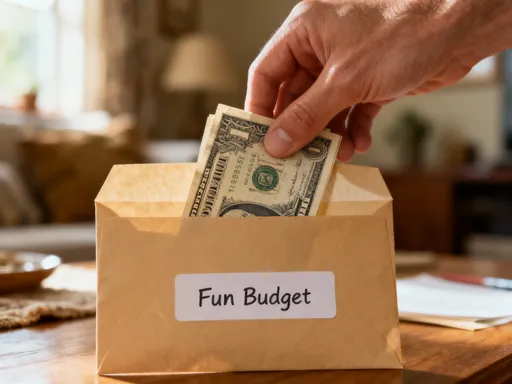
Creating a successful travel fund begins with a clear decision: travel must be treated as a financial priority, not an afterthought. Without this mental shift, savings remain vulnerable to competing demands. The most effective method is to establish a dedicated account solely for travel expenses. This physical and psychological separation helps prevent funds from being absorbed into daily spending. Automating monthly transfers—similar to a utility bill—ensures consistency. Even a modest amount, such as $100 per month, compounds over time and builds discipline. The act of automation removes the need for repeated decision-making, reducing the temptation to skip contributions during tight months.
Budgeting frameworks like the 50/30/20 rule can be adapted to support travel goals. In this model, 50% of income goes to needs, 30% to wants, and 20% to savings and debt repayment. Within the savings portion, a specific percentage can be allocated to travel. For example, someone earning $5,000 monthly might assign $400 to savings, with half of that—$200—going directly into the travel fund. This approach integrates travel into the financial structure without requiring drastic lifestyle changes. It also allows for flexibility; if income increases, the travel contribution can rise proportionally, accelerating progress.
Visual goal tracking enhances motivation. A simple chart, photo board, or digital app that shows progress toward a destination makes the abstract goal tangible. Research in behavioral economics shows that people are more likely to stick to goals when they can see progress. For families, involving children in the process—such as letting them mark milestones on a map—creates shared excitement and reinforces the value of patience and planning. These psychological tools complement financial discipline, turning saving into a positive, forward-looking activity rather than a sacrifice.
Growing Your Fund: Safe Yet Effective Growth Strategies
Letting money sit in a low-interest account may feel safe, but it often results in lost opportunity. Over time, inflation can outpace minimal interest earnings, effectively reducing the fund’s real value. To counter this, travelers should consider low-volatility instruments that offer better returns without exposing savings to high risk. High-yield savings accounts are a strong starting point. These are typically offered by online banks and provide interest rates several times higher than traditional brick-and-mortar institutions. They remain liquid, meaning funds can be accessed when needed, and are usually FDIC-insured, protecting against loss.
For those with a time horizon of two years or more, short-term bond funds present another option. These invest in government or high-quality corporate bonds with maturities of one to three years. They offer slightly higher returns than savings accounts while maintaining stability. Unlike long-term bonds, they are less sensitive to interest rate changes, reducing the risk of value decline. Diversified ETFs focused on investment-grade bonds or broad market indexes can also play a role. These funds spread risk across hundreds of assets, minimizing the impact of any single underperforming investment.
The key is matching the investment choice to the timeline. If a trip is planned within the next 12 months, liquidity and safety should take precedence over growth. In this case, a high-yield savings account or money market fund is appropriate. For trips two to five years away, a balanced mix of short-term bonds and conservative ETFs can enhance returns without significant risk. The goal is not to maximize gains, but to ensure the fund grows at a rate that outpaces inflation. This measured approach allows travelers to benefit from market conditions without gambling on unpredictable outcomes.
Risk Control: Protecting Your Fund from Hidden Threats
Even the most disciplined savers can face setbacks if risks are not managed. Unexpected medical bills, car repairs, or job disruptions can tempt people to dip into travel funds. To prevent this, it’s essential to have a separate emergency fund covering three to six months of living expenses. This buffer acts as a financial shock absorber, allowing the travel fund to remain untouched. Without it, any crisis can derail long-term plans. Building an emergency fund doesn’t have to happen overnight—it can grow alongside the travel fund, with priorities adjusted based on life stage and income stability.
Market volatility is another risk, especially for those using investment vehicles. While diversified funds reduce exposure, no option is entirely risk-free. The biggest danger isn’t the market itself, but the emotional response to it. Panic selling during a downturn locks in losses and disrupts long-term growth. Investors who stay the course typically recover and continue benefiting from compounding. To avoid emotional decisions, it helps to set clear rules—such as never withdrawing from the travel fund unless a trip is imminent or reevaluating investments only on a quarterly basis. These guardrails create stability and prevent impulsive actions.
Psychological traps also threaten progress. The fear of missing out (FOMO) can lead to chasing trendy investments promising high returns, such as speculative cryptocurrencies or meme stocks. These often result in losses and divert focus from steady, reliable growth. Similarly, overconfidence after a period of good returns may encourage riskier bets. Staying grounded in the original plan—focused on safety, consistency, and alignment with travel goals—helps avoid these pitfalls. Protecting the fund is not about avoiding all risk, but about managing it wisely and maintaining balance.
Practical Hacks: Everyday Adjustments That Multiply Results
Small, consistent changes often deliver the most sustainable results. One of the most effective strategies is redirecting windfalls—unexpected money such as tax refunds, bonuses, or cash gifts—directly into the travel fund. Because this money wasn’t part of the regular budget, its absence isn’t felt, yet it can significantly accelerate savings. A $3,000 tax refund, for example, could cover airfare for a family of four. Making this a habit turns occasional gains into meaningful progress.
Cashback apps and rewards programs, when used wisely, can also boost savings. Instead of spending rewards on more goods, converting them into cash and transferring them to the travel fund turns everyday purchases into travel contributions. For instance, earning 2% back on groceries and gas may seem minor, but on $1,000 in monthly spending, that’s $20—$240 annually. Over five years, that’s over $1,200, enough for a mid-range hotel stay abroad. The key is intentionality: treating rewards as savings, not extra spending power.
Another powerful tactic is optimizing recurring bills. Services like streaming platforms, internet, and insurance are often on autopilot, but prices change over time. An annual review can uncover opportunities to switch providers, renegotiate rates, or eliminate unused subscriptions. Cutting two unused subscriptions at $15 each saves $360 a year. Redirecting that into the travel fund creates momentum without lifestyle disruption. These micro-adjustments, when combined, generate substantial results. They prove that financial progress doesn’t require dramatic cuts—just consistent, mindful choices.
Putting It All Together: A Sustainable System for Lifelong Travel
The ultimate goal is not just to fund one trip, but to create a repeatable system that supports ongoing travel throughout life. This requires integrating saving, growth, and protection into a cohesive financial rhythm. Start by defining travel as a core value, then automate contributions to a dedicated account. Align investment choices with the timeline, using safe, low-volatility instruments to preserve and grow value. Protect the fund with an emergency buffer and disciplined habits that prevent emotional decisions. Finally, enhance results through practical, sustainable adjustments that compound over time.
This system transforms travel from a distant dream into a predictable reality. It shifts the mindset from scarcity to empowerment—recognizing that financial discipline is not about restriction, but about freedom. When money is directed with purpose, it becomes a tool for experiences that enrich life. Families create lasting memories, individuals gain new perspectives, and relationships deepen through shared adventures. These benefits extend far beyond the trip itself.
Long-term success depends on consistency and adaptability. Life changes—careers evolve, incomes fluctuate, priorities shift. The system should be reviewed annually to ensure it remains aligned with current goals. If a trip is postponed, the fund doesn’t disappear—it waits, continues growing, and remains ready for the next opportunity. This flexibility prevents discouragement and sustains motivation. With the right approach, travel is not a luxury reserved for the few, but a well-planned part of a balanced, fulfilling life. It’s not about how much you earn, but how wisely you manage what you have. And when the plane takes off, you’ll know the journey was worth every thoughtful decision along the way.