How I Mastered Fund Management When Buying Equipment – An Entrepreneur’s Real Talk
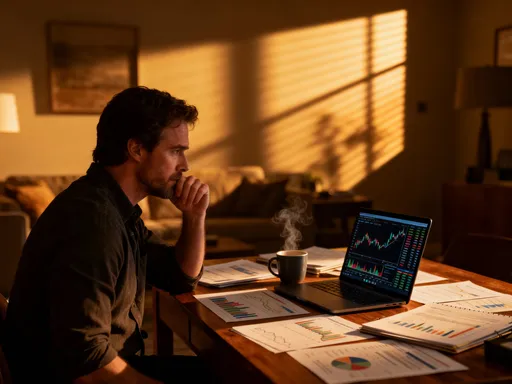
Ever bought equipment only to realize you’ve stretched your budget too thin? I’ve been there—staring at cash flow statements, wondering where it all went wrong. For entrepreneurs, equipment procurement isn’t just about cost—it’s a make-or-break moment for fund management. This is my deep dive into how I learned to balance growth and financial control, the hard way. No fluff, just real lessons from the trenches. What started as a simple upgrade turned into a financial wake-up call. I didn’t just overspend—I underestimated the ripple effects of that decision across my entire business. But from that experience came a system: a disciplined, data-driven approach to buying equipment that protects cash flow, reduces risk, and aligns purchases with long-term strategy. This isn’t theory. It’s what kept my business afloat and eventually thriving.
The Hidden Cost Trap in Equipment Procurement
When most entrepreneurs evaluate equipment, they fixate on the purchase price. That number is visible, tangible, and easy to compare across vendors. But the sticker price is only the beginning. The true cost of ownership—what professionals call TCO—includes a cascade of often-overlooked expenses that quietly erode profitability. Installation, training, maintenance contracts, energy consumption, software integration, and downtime during setup all contribute to the real financial burden. I learned this the hard way when I bought a new packaging machine for my small manufacturing operation. The machine was priced attractively, but I didn’t account for the technician fees, the weeks of lost production, or the monthly service plan that automatically renewed each year. By the time I realized the full cost, I had spent nearly 40% more than expected.
What makes the hidden cost trap so dangerous is its invisibility. These expenses don’t appear on the initial invoice, so they’re rarely included in budget approvals. Yet, they can collectively exceed the original purchase amount over time. For example, a $50,000 machine might require $5,000 in installation, $3,000 annually in maintenance, and consume $2,000 more in electricity per year than the model it replaced. Over five years, that’s an additional $30,000—60% of the initial investment. These are not trivial figures, especially for small and medium-sized businesses where every dollar must work efficiently. The lesson here is clear: always calculate the total cost of ownership before making a decision. This means asking vendors for a complete breakdown of all associated costs and projecting them over the expected lifespan of the equipment.
Shifting from upfront savings to long-term value was a turning point in my financial mindset. I began to prioritize durability, efficiency, and service support over the lowest price. I started requesting case studies or references from other users to understand real-world performance and cost patterns. I also built a simple spreadsheet to compare multiple options not just by price, but by five-year TCO. This shift didn’t just prevent overspending—it improved operational reliability. Equipment that required less maintenance meant fewer disruptions, which translated into more consistent output and happier customers. The hidden cost trap isn’t inevitable. With awareness and discipline, entrepreneurs can avoid it and make purchases that truly support sustainable growth.
Why Fund Management Starts Before You Click “Buy”
Fund management isn’t something you apply after a purchase—it begins long before. The most critical decisions are made in the planning phase, when emotions are lower and clarity is higher. I used to make impulse buys when a new machine seemed like a quick fix for a bottleneck. That reactive approach led to cash crunches and forced compromises elsewhere. Now, I treat equipment procurement like a project with its own timeline, budget, and risk assessment. The first step is always cash flow forecasting. I project income and expenses for the next 12 months, identifying periods of surplus and shortfall. This helps me determine not just whether I can afford a purchase, but when I can afford it without disrupting operations.
One of the most effective tools I adopted was a 6-month liquidity buffer. This means I keep enough cash reserves to cover all essential operating expenses for half a year, even if revenue drops to zero. This buffer acts as a financial shock absorber, allowing me to make planned investments without resorting to emergency loans. It also gives me the freedom to wait for the right moment—such as aligning a purchase with a seasonal revenue peak or a supplier discount period. For example, I once delayed buying a new fleet of delivery vans by three months, waiting until after our busiest quarter. That timing allowed us to fund 70% of the purchase from retained earnings, reducing our reliance on financing and interest costs.
Another key practice is linking equipment acquisition to revenue cycles. In my business, we experience predictable spikes in demand during certain months. I now time major purchases to follow these high-revenue periods, ensuring that incoming cash can absorb the outflow. This approach also allows me to test the equipment’s impact on profitability within the same fiscal cycle. If the machine increases output and revenue as expected, the investment pays for itself faster. If not, I can adjust quickly. I also use a simple readiness checklist before approving any purchase: Do we have the cash or credit capacity? Is this aligned with our growth plan? Have we explored alternatives like leasing or upgrading existing equipment? Answering these questions objectively prevents emotional decisions and ensures that fund management remains proactive, not reactive.
Financing Options: Matching Tools to Your Financial Reality
When cash reserves aren’t enough, financing becomes necessary. But not all options are created equal. Each method—loans, leasing, vendor financing, or reinvested profits—carries different implications for cash flow, risk, and long-term financial health. I once signed a lease agreement for a high-end printer because the monthly payments looked manageable. What I didn’t realize was that the contract included steep early termination fees and automatic renewal clauses. When the technology became obsolete faster than expected, I was stuck paying for equipment I no longer needed. That experience taught me to scrutinize the full terms, not just the headline rate.
Bank loans offer more control than leasing, but they require strong credit and often come with covenants that restrict other financial decisions. I’ve used term loans successfully when expanding production capacity, but only after confirming that projected revenue could comfortably cover the monthly payments. The key is stress-testing the numbers: What if sales drop by 20%? Can we still meet our obligations? I now build conservative scenarios into my financial models to ensure resilience. Lines of credit are another option, providing flexibility to draw funds as needed. They’re useful for phased upgrades or unexpected repairs, but they require discipline to avoid overuse and mounting interest.
Vendor financing can be convenient, especially when offered with low introductory rates. However, these deals often come with hidden costs or inflated prices. I learned to compare the total cost of vendor financing against traditional bank loans, including all fees and interest. In several cases, the “special offer” ended up being more expensive over time. The most sustainable option I’ve found is reinvested profits. While slower, this method eliminates debt and interest, preserving financial flexibility. I now aim to fund at least 50% of any major purchase from retained earnings, using financing only for the remainder. This hybrid approach balances growth with stability, ensuring that expansion doesn’t come at the cost of financial security.
Risk Control: Protecting Your Business from Overcommitment
One of the biggest financial risks in equipment procurement is overcommitment. Buying too much, too soon, can drain cash and create idle assets that generate no return. I made this mistake early on, purchasing a large industrial oven based on optimistic sales projections. Demand didn’t materialize as expected, and the machine sat underutilized for months. Not only was it a wasted capital outlay, but it also incurred storage, maintenance, and insurance costs. The opportunity cost was even greater—I could have used that money to invest in marketing or product development, which might have driven the demand I was counting on.
To prevent overcommitment, I now use a structured risk assessment process. First, I conduct scenario testing, modeling best-case, worst-case, and most-likely demand levels. This helps me determine whether the equipment can generate sufficient returns even in a downturn. I also perform a break-even analysis to calculate how much usage is needed to cover the cost. If the break-even point is too high given current or projected demand, I reconsider the purchase or look for a smaller-scale solution. Scalability is another key factor. I prefer modular or expandable systems that allow incremental investment as demand grows, rather than all-in-one solutions that require large upfront outlays.
Equally important is setting clear “kill criteria”—predefined conditions under which I will halt or reverse a decision. For example, if a new machine doesn’t reach 70% utilization within six months, I trigger a review to determine whether to sell, lease, or repurpose it. This removes emotion from the decision-making process and ensures that I can cut losses early. I also monitor key performance indicators like return on investment (ROI), asset utilization rates, and maintenance costs after implementation. These metrics provide early warning signs of underperformance. Risk control isn’t about avoiding investment—it’s about making informed, measured decisions that protect the business while still enabling growth.
The Cash Flow Ripple Effect of Equipment Decisions
Equipment purchases don’t exist in isolation. They trigger a chain reaction across the business, affecting payroll, supplier payments, inventory levels, and reinvestment capacity. I once bought a new assembly line that required hiring and training additional staff. While the machine increased output, the added labor costs strained our cash flow. We had to delay payments to suppliers and postpone a planned marketing campaign. What I didn’t anticipate was how one capital decision could disrupt multiple areas of operations. This experience taught me to map out the full financial impact before committing.
Now, I conduct a ripple effect analysis for every major purchase. I ask: How will this affect our operating cycle? Will it shorten production time, improving inventory turnover? Or will it increase work-in-progress, tying up more capital? I also evaluate its impact on working capital. For example, faster production might allow us to fulfill orders quicker, improving cash collection. But if the machine requires more raw materials or specialized parts, it could increase inventory costs. I model these variables in my financial forecasts to ensure that the net effect is positive. I also communicate with key stakeholders—suppliers, employees, lenders—so they understand upcoming changes and can plan accordingly.
Monitoring liquidity ratios after implementation is another critical practice. I track metrics like the current ratio and quick ratio to ensure we maintain enough short-term assets to cover liabilities. A sudden drop in these ratios after a purchase is a red flag that requires immediate attention. I also review the operating cycle length—the time between paying for inputs and receiving payment for outputs. If the cycle lengthens, it means cash is tied up longer, reducing flexibility. By understanding and managing the ripple effect, I can make equipment decisions that enhance, rather than disrupt, financial stability.
Smart Scaling: When to Upgrade and When to Wait
Growth creates pressure to scale up quickly. New orders, longer backlogs, and customer demand can make upgrading equipment feel urgent. But premature expansion is a common pitfall. I’ve learned that not every spike in demand warrants a major investment. Instead, I use objective metrics to guide scaling decisions. Utilization rates are my primary indicator—if existing equipment is running at 85–90% capacity consistently, it’s a sign that expansion may be needed. Backlog volume is another signal; if orders are piling up and delivery times are slipping, it’s time to evaluate capacity constraints.
Profit margins also play a crucial role. I won’t invest in new equipment unless the expected return justifies the cost. For example, if a new machine reduces labor costs by 20% and increases output by 30%, I calculate the payback period and compare it to our strategic goals. If the payback is longer than two years, I reconsider or explore alternatives. This data-driven approach removes emotional impulses and ensures that upgrades are strategic, not reactive. I also consider retrofitting or modular upgrades as cost-effective alternatives. In one case, instead of replacing an entire conveyor system, I upgraded key components, achieving 90% of the performance gain at 40% of the cost.
Timing is equally important. I avoid upgrading during uncertain economic periods or when cash flow is tight. I wait for clear, sustained demand signals rather than short-term spikes. This patience has saved me from overinvesting during temporary booms that later corrected. Smart scaling isn’t about keeping up with every opportunity—it’s about growing at a pace that the business can sustain without compromising financial health. By using metrics, not emotions, I ensure that each upgrade contributes to long-term success.
Building a Sustainable Fund Management Mindset
Long-term success in business isn’t determined by single transactions, but by consistent financial discipline. My journey from reactive spending to proactive fund stewardship was shaped by mistakes, learning, and deliberate practice. Today, I approach equipment procurement as a strategic investment, not just an expense. I document every purchase decision, including the rationale, expected benefits, and financial assumptions. After implementation, I conduct a post-purchase review to compare actual performance against projections. This feedback loop helps me refine my decision-making process and avoid repeating past errors.
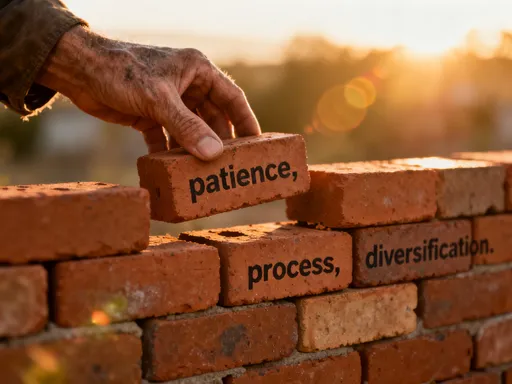
I also prioritize continuous learning. I stay informed about industry trends, new technologies, and financing options. I network with other entrepreneurs to share experiences and insights. This ongoing education keeps my approach fresh and adaptable. Most importantly, I’ve cultivated patience. I resist the urge to chase quick wins or follow trends without analysis. I understand that sustainable growth is built on careful planning, risk control, and financial clarity. Treating equipment as a long-term asset, governed by discipline and data, has transformed my business. It’s not just about buying machines—it’s about building a resilient, financially sound enterprise that can thrive for years to come.