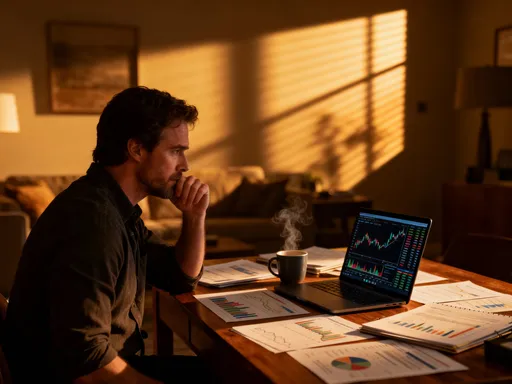
How I Nailed Accident Coverage While Forecasting the Healthcare Market — A Real Guide
What if your next financial win isn’t from stocks, but from knowing when and how to protect yourself? I learned this the hard way—after a minor accident left me staring at unexpected bills. That moment pushed me into researching accident coverage like it was a market play. Turns out, treating healthcare protection like a forecastable asset changed everything. Here’s how I turned risk into a strategy, not a scare. It wasn’t about fear or worst-case scenarios. It was about clarity, control, and making informed moves before a crisis hits. This isn’t a story of luck. It’s a guide built on real insight—how to see accident coverage not as an expense, but as a calculated investment in long-term financial stability.
The Wake-Up Call: When Life Throws a Curveball
It started with a fall—nothing dramatic, just a misstep on wet pavement during a routine errand. No ambulance, no emergency surgery, just a sprained ankle and a week off work. But the bills that followed told a different story. My health insurance covered the X-ray and initial visit, but what it didn’t cover added up quickly: follow-up appointments, physical therapy co-pays, transportation to and from rehab, and lost income during recovery. The total out-of-pocket cost was nearly $2,500—money I hadn’t budgeted for and couldn’t easily replace. That experience was a wake-up call. I had planned for retirement, built an emergency fund, and diversified my investments, yet I had overlooked one of the most common financial threats: an unexpected injury.
What made this especially frustrating was realizing how predictable the risk actually was. Accidents are not rare anomalies. According to national health data, unintentional injuries are among the leading causes of medical visits and temporary disability, especially for adults between 30 and 55. Falls, sports injuries, car accidents, and even repetitive strain from daily activities contribute to millions of claims each year. Yet, most people treat accident coverage as an optional add-on, if they think about it at all. They assume their health insurance will cover everything, or that serious injury only happens to others. This mindset leaves families vulnerable—not because catastrophe strikes, but because preparation was never part of the financial plan.
My accident wasn’t life-threatening, but it disrupted my routine, strained my budget, and exposed a gap in my financial resilience. It forced me to ask a simple but powerful question: if I can forecast market trends, track inflation, and adjust my portfolio based on economic signals, why can’t I apply the same disciplined thinking to personal risk? That shift in perspective changed everything. Instead of seeing insurance as a passive cost, I began to view accident protection as a proactive financial instrument—one that could be analyzed, optimized, and timed just like any other asset in my financial strategy.
Accident Coverage Isn’t Just Insurance—It’s Risk Forecasting
Most people think of insurance as a safety net—something you pay for just in case. But when you look closely, accident coverage is more than passive protection. It’s a form of risk forecasting, much like analyzing market indicators before making an investment. Just as investors monitor interest rates, employment trends, and consumer behavior to anticipate market movements, individuals can use real-world data to anticipate personal risk exposure. The key is shifting from a reactive mindset—buying coverage after a scare—to a proactive one, where protection is aligned with evolving life patterns and external risk factors.
Consider this: demographic shifts are quietly reshaping accident risk across the country. More people are working remotely, leading to increased time at home—where slips, falls, and minor injuries are surprisingly common. At the same time, urban cycling and outdoor recreation have surged in popularity, raising exposure to traffic-related and activity-based injuries. Even climate change plays a role: extreme weather events, icy sidewalks, and heat-related fatigue contribute to higher accident rates in certain seasons and regions. These aren’t abstract trends—they’re signals that can inform smarter coverage decisions.
Treating accident coverage as a forecastable asset means asking different questions. Instead of Do I need insurance?, the better question is When am I most at risk, and how can I prepare? For example, if you’re in a phase of life with increased physical activity—training for a marathon, taking up hiking, or coaching your child’s soccer team—your exposure rises. Similarly, if you’ve recently moved to a colder climate or started a job with more travel, your risk profile changes. Recognizing these shifts allows you to adjust coverage before an incident occurs, much like rebalancing a portfolio in response to market changes. The goal isn’t to eliminate risk—that’s impossible—but to manage it with intention and foresight.
This approach transforms accident coverage from a generic product into a personalized financial tool. It’s not about buying the cheapest plan or the one with the most advertised benefits. It’s about aligning protection with your actual lifestyle, income needs, and recovery expectations. When you start seeing risk through this lens, you stop viewing premiums as an unavoidable cost and begin to see them as a strategic investment—one that pays off by preserving your financial stability when life doesn’t go as planned.
Reading the Signals: What the Healthcare Market Is Telling Us
The healthcare landscape is changing, and those changes have direct implications for personal financial planning. One of the most significant shifts is the rise in outpatient care. Hospitals are discharging patients faster, and more treatments are being delivered in clinics, rehab centers, or even at home. While this trend improves efficiency, it also shifts more responsibility—and cost—onto individuals. A broken arm might not require a hospital stay, but it could mean weeks of physical therapy, specialized equipment, and time off work. These expenses often fall outside the scope of traditional health insurance, creating gaps that can strain household budgets.
Medical inflation is another critical signal. Over the past decade, the cost of healthcare services has consistently outpaced general inflation. Physical therapy sessions, diagnostic imaging, and even basic medical supplies have become more expensive. At the same time, many insurance plans have increased deductibles and co-pays, meaning patients pay more out of pocket before coverage kicks in. For families already managing mortgages, education costs, and daily expenses, an unexpected injury can become a financial tipping point. A seemingly minor accident can lead to thousands in uncovered costs, especially when recovery extends beyond a few days.
Another underappreciated trend is the growing impact of lost income. Unlike hospitalization, which may come with short-term disability benefits, many accident-related injuries don’t qualify for wage replacement—especially for self-employed individuals, gig workers, or those in non-salaried roles. A sprained knee from a weekend hike might not require surgery, but if it keeps you from working for three weeks, the lost income could be more damaging than the medical bill. This is where supplemental accident coverage becomes invaluable. Policies that provide lump-sum cash benefits or per-injury payouts can help bridge the income gap, allowing you to focus on recovery without financial panic.
The message from the healthcare market is clear: protection must evolve. Relying solely on health insurance is no longer enough. The system is designed to cover acute medical needs, not the broader financial fallout of an injury. By paying attention to these macro trends—rising out-of-pocket costs, longer recovery demands, and income vulnerability—individuals can make smarter, more informed decisions about accident coverage. It’s not about fear-mongering; it’s about financial realism. The data shows that accidents are common, recovery is costly, and the financial burden is increasingly borne by individuals. Recognizing these signals allows you to act before a crisis, not after.
Choosing Coverage That Fits Your Life, Not Just Your Budget
Selecting accident coverage shouldn’t be a one-size-fits-all decision. Just as investment strategies vary based on risk tolerance and goals, insurance protection should reflect your unique lifestyle, responsibilities, and financial structure. The first step is assessing your personal risk profile. Are you physically active? Do you commute by bike or walk in urban areas? Do you have children involved in sports? Work in a high-movement job like construction, healthcare, or retail? Each of these factors increases your likelihood of an accident and should influence your coverage choices.
For example, a parent whose child plays competitive soccer faces different risks than someone who works from home with a sedentary routine. The former might benefit from a policy that covers sports-related injuries, emergency dental treatment, or even travel expenses if a specialist is needed. The latter might prioritize coverage for household accidents—slips in the bathroom, falls while cleaning, or injuries from home improvement projects. The key is customization. A policy that pays a lump sum for fractures, dislocations, or burns can provide immediate cash when it’s needed most, helping cover deductibles, transportation, or lost wages.
There are several types of accident coverage to consider. Some plans offer fixed cash benefits for specific injuries—$500 for a broken bone, $200 for a laceration requiring stitches, $1,000 for hospitalization. Others provide broader support, including payments for ambulance rides, rehabilitation, or even home modifications. Some employers offer accident insurance as a voluntary benefit, while others may allow you to purchase supplemental plans through professional associations or financial institutions. The important thing is not just the type of policy, but how well it aligns with your real-life exposure.
Budget matters, but it shouldn’t be the only factor. A low-premium plan might seem attractive, but if it doesn’t cover the injuries most likely to affect you, it offers little value. Conversely, a slightly higher premium for comprehensive protection can save thousands in out-of-pocket costs down the line. Think of it like buying a home warranty: you hope you never need it, but when you do, the right coverage makes all the difference. The goal is to find a balance—protection that’s both affordable and effective, tailored to your actual risk rather than a generic template.
The Hidden Gaps Even Good Insurance Misses
Even with excellent health insurance, significant financial vulnerabilities remain. Standard plans are designed to cover medical treatment—doctor visits, surgeries, medications—but they often ignore the indirect costs of an accident. These hidden gaps can be more damaging than the injury itself. Lost wages top the list. If you’re self-employed, work hourly, or don’t have access to paid disability leave, even a short recovery period can disrupt your income stream. A two-week absence from work could mean missing mortgage payments, delaying childcare, or dipping into emergency savings meant for other goals.
Then there are non-medical expenses. What if you need to travel for specialized care? Some treatments aren’t available locally, requiring multiple trips to distant clinics. Gas, tolls, parking, and overnight stays add up quickly. What about home modifications? A broken leg might mean installing temporary ramps, grab bars, or a shower seat—costs that are rarely covered by health insurance but are essential for safety and independence. What about child or pet care during recovery? If you’re unable to drive or perform daily tasks, you may need to pay for help, adding another layer of expense.
Therapy and rehabilitation are another area of concern. Physical therapy is often limited by insurance—only a certain number of sessions are covered, even if more are needed. Alternative treatments like acupuncture, massage, or chiropractic care may be excluded entirely, despite their role in recovery. These gaps can force people to choose between full healing and financial strain. Accident coverage with cash benefits can help fill these holes. A lump-sum payout can be used for anything—rent, groceries, transportation, or therapy—not just medical bills. This flexibility is what makes it a powerful financial tool.
The reality is that an accident’s financial impact extends far beyond the hospital bill. It affects cash flow, household stability, and long-term goals. By acknowledging these hidden costs, you can choose coverage that truly protects your financial well-being. It’s not about assuming the worst—it’s about preparing for the full picture. When you understand what’s not covered, you can take steps to close the gaps before they become emergencies.
Timing Is Everything: When to Adjust Your Protection
Just as investment strategies require periodic review, accident coverage should be reassessed at key life transitions. Risk is not static—it evolves with your circumstances. Starting a new job, moving to a different city, getting married, having a child, or changing your daily routine can all shift your exposure. These moments should trigger a coverage check, not as a reaction to a crisis, but as part of routine financial maintenance. Think of it like rebalancing a portfolio: you adjust your assets to reflect current market conditions. Similarly, you should adjust your protection to reflect current life conditions.
For example, if you’ve recently started biking to work, your risk of a traffic-related injury has increased. If you’ve taken up skiing or joined a fitness class, your exposure to musculoskeletal injuries rises. If you’re caring for aging parents or young children, your household responsibilities mean a temporary disability could have wider ripple effects. These changes don’t mean you need to panic or over-insure—they mean you should update your plan to match your new reality. Many people buy accident coverage once and forget about it, but that can leave them underprotected when their life changes.
Annual financial reviews are an ideal time to revisit coverage. Alongside checking retirement contributions, budgeting, and debt management, add accident protection to the list. Ask yourself: Has my lifestyle changed? Am I more or less active? Do I have dependents who rely on my income? Is my job more or less physically demanding? Are medical costs in my area rising? These questions help you assess whether your current policy still fits. You might find that you need more coverage, less coverage, or a different type of benefit structure. The goal is alignment—ensuring your protection evolves as you do.
Treating coverage updates as routine financial hygiene removes the emotion and urgency from the process. It’s not about fear or worst-case thinking. It’s about responsibility and foresight. Just as you wouldn’t keep the same investment mix for decades without review, you shouldn’t keep the same accident coverage indefinitely. By making adjustments at the right time, you ensure that your protection is always relevant, effective, and aligned with your financial goals.
Building a Smarter Safety Net: The Long-Term Payoff
Accident coverage is more than a financial product—it’s a cornerstone of long-term stability. When integrated into a broader financial plan, it acts as a stabilizer, reducing the need to raid savings, delay major goals, or take on debt after an unexpected event. Imagine facing a recovery period without worrying about how to pay for physical therapy or whether you can afford to take time off work. That peace of mind isn’t luck. It’s the result of thoughtful planning and informed decision-making.
The long-term payoff goes beyond immediate cash flow protection. By minimizing financial disruption, accident coverage helps preserve your progress toward bigger goals—buying a home, funding education, retiring comfortably. It prevents a single incident from derailing years of disciplined saving and investing. More importantly, it reduces stress during recovery, allowing you to focus on healing rather than bills. Financial security and emotional well-being are deeply connected. When you know you’re protected, you face uncertainty with greater confidence.
Treating risk as forecastable transforms the way you think about protection. It moves you from a mindset of avoidance to one of empowerment. You’re not trying to prevent every possible problem—you’re building resilience against the ones most likely to occur. This approach doesn’t eliminate life’s surprises, but it ensures you’re not blindsided by their financial impact. Every smart financial decision compounds over time, and accident coverage is no exception. The premiums you pay today may seem small, but the protection they provide can have an outsized impact when it matters most.
In the end, financial success isn’t just about growing wealth—it’s about protecting it. Markets rise and fall, incomes change, and life throws curveballs. But with the right tools and mindset, you can navigate uncertainty with clarity and control. Accident coverage, when chosen wisely and updated regularly, becomes more than insurance. It becomes a strategic asset—one that supports your financial health, safeguards your family, and gives you the confidence to move forward, no matter what comes next.